
Handling and Bonding with Your New Rats
Handling and Bonding with Your New Rats
In depth resources to help you build the best bond with your mischief!
Have you every heard of an ABC contingency or operant conditioning? These are fundamental dog training concepts that were formulated from studies utilizing rats. How does this help you bond with your rats? By understanding how they think we can help them build positive associations and even learn tricks!
A backstory about Maddox:
I have been studying canine psychology and behavior for over 5 years now. I am a behavior modification dog trainer that works with a variety of cases including: service dogs, drug detection dogs, severe aggression cases, and everything in between. I feel sharing the facts and science behind rat behavior is beyond beneficial for pet owners. training, handling, and interacting with rats.
ABC Contingency:
A (Before) | B (During) | C (After) |
|---|---|---|
Antecedent Triggers the Behavior | Behavior The Action | Consequence The Outcome |
Operant Conditioning:
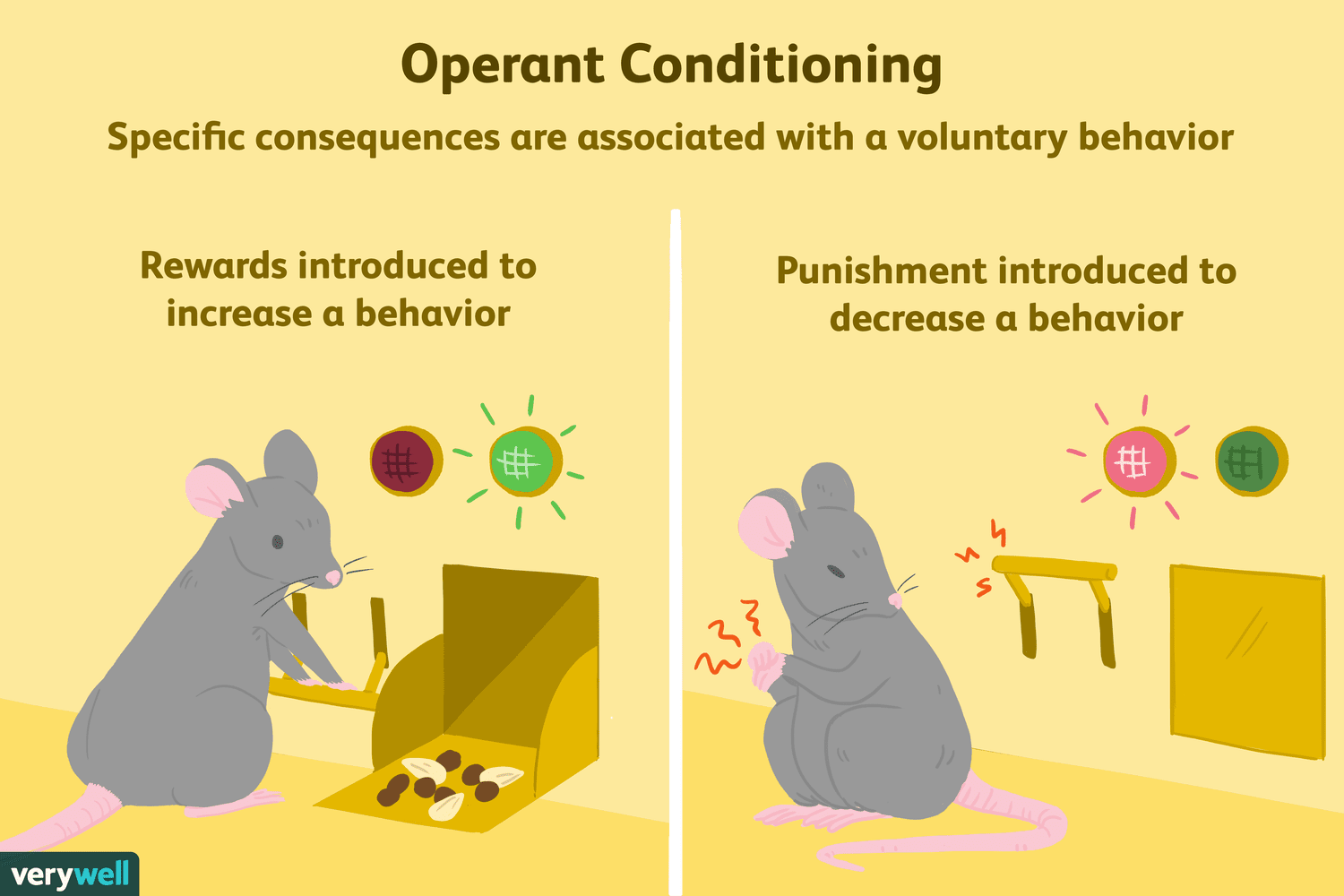
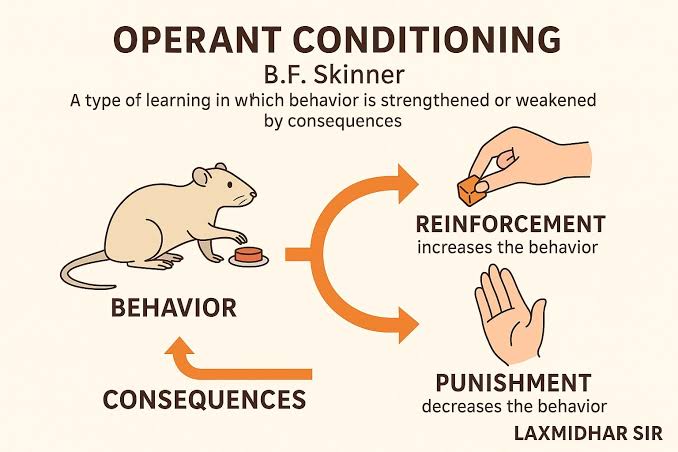
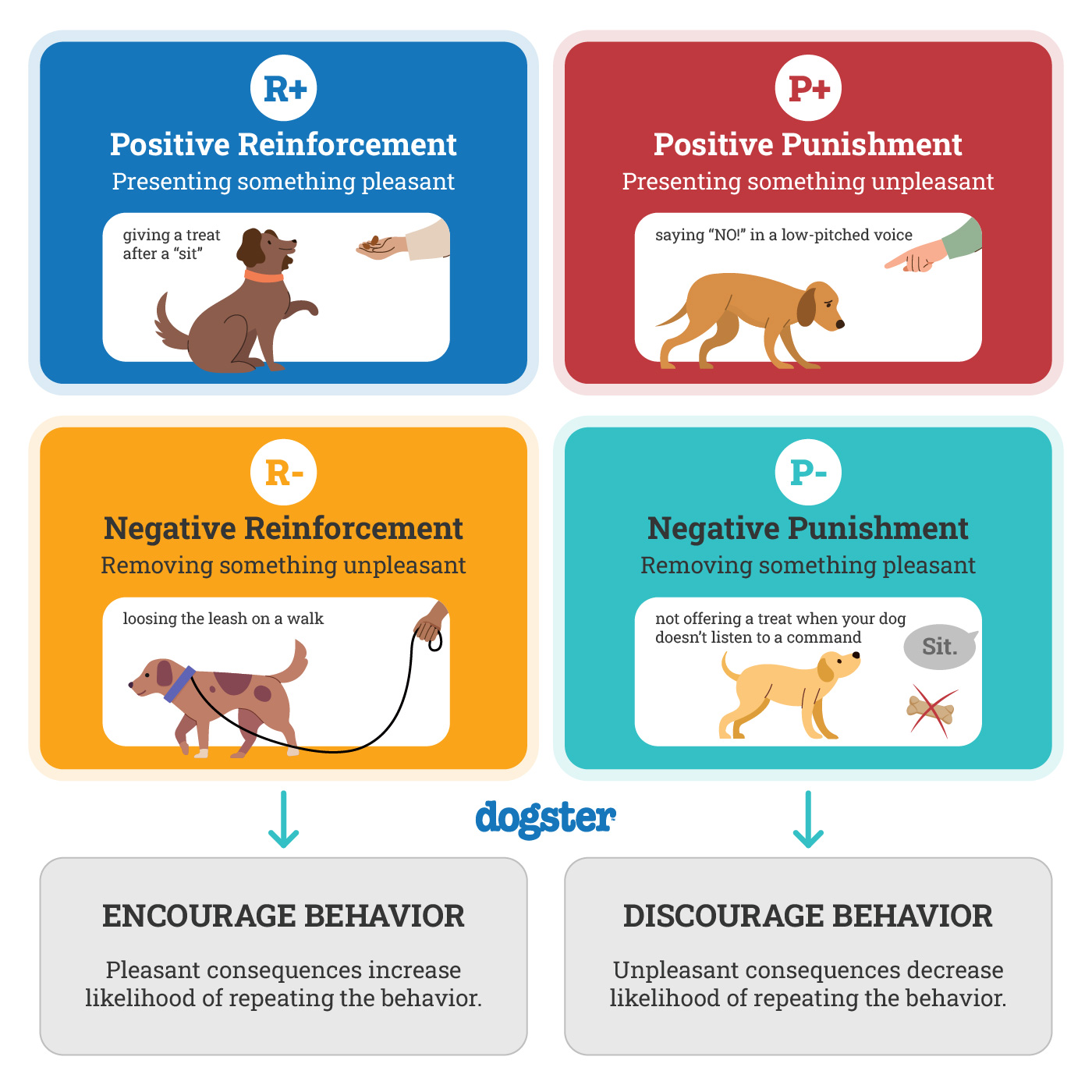
Operant conditioning is how behavior is strengthened or weakened via consequences. We can change our rats behavior using the four operant conditioning quadrants: positive reinforcement, positive punishment, negative reinforcement, and negative punishment.
R+ Positive Reinforcement Increases the likelihood of a behavior | P+ Positive Punishment Decreases the likelihood of a behavior |
R- Negative Reinforcement Increases the likelihood of a behavior | P- Negative Punishment Decreases the likelihood of a behavior |
Quick Tips:
Do not force your rat. Rats are prey animals. Let the rat approach voluntarily when possible. Rats are sentient beings that experience emotions and form connections. Allow shy/scared rats more time and provide extra reinforcement.
Create positive associations. Pair handling and picking up with small treats. Try to encourage play outside the cage using toys. A favorite at Grey's Rattery is a cat wand with feathers on the end.
Spend quality time together. Use a bonding pouch, blanket, or secure play area. Sit in a bathtub with them, have them in a pouch while you read a book, put them on your shoulder while you get ready, etc.
Be aware of how you handle your rats. For scared or new rats you can pick them up by scooping from underneath, instead of grabbing from above. Support the body and hindquarters. Never grab or lift by the tail.
Helpful Links:
https://www.coastlinepets.com/bonding
Helpful Images:
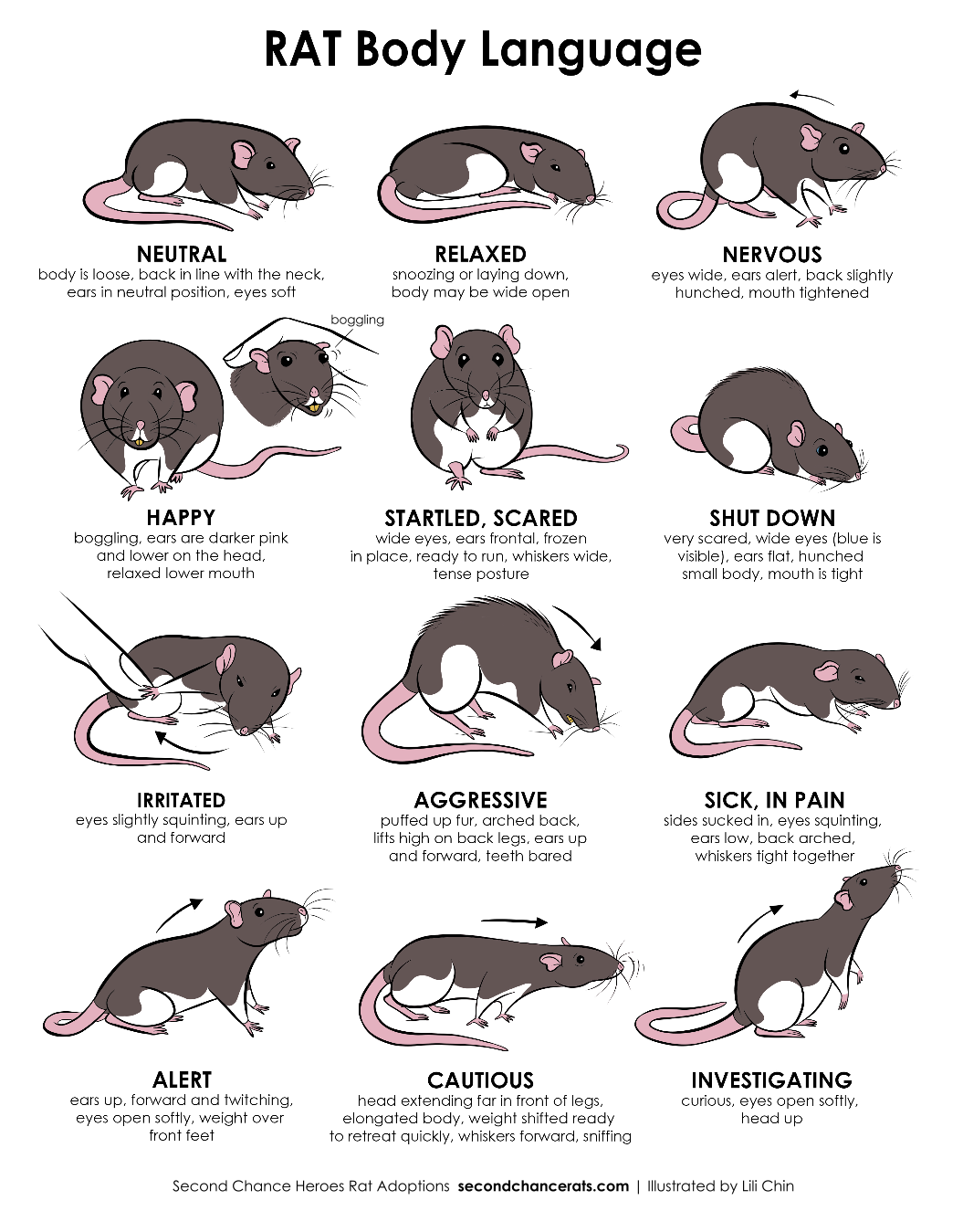
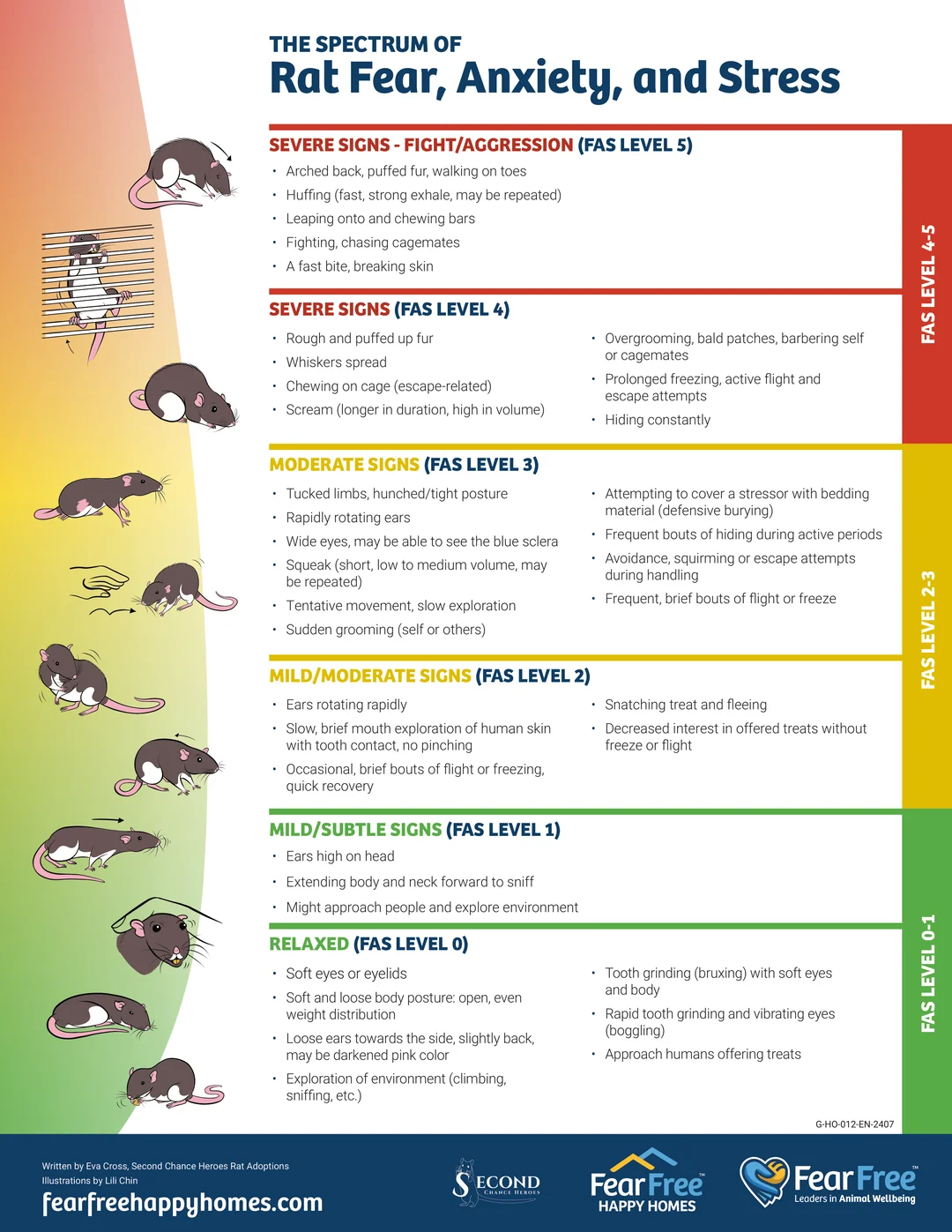
Want to learn more or support the rescue? Second Chance Heroes Rat Rescue: https://www.secondchancerats.org/support-us
Referencing the terms bruxing and boggling:
Bruxing: When a rat rapidly grinds or chatters its front teeth together it makes a sound. Rats often do this when relaxed or content, but they can also brux to self soothe, so context and body language matter.
Boggling: When a rat’s eyes appear to rapidly bulge in and out of the sockets. This happens because the jaw muscles used during strong bruxing run behind the eyes and move them slightly.
Helpful Videos: