
Ethical Breeding for Happy, Healthy Pets
A program driven by intention, passion, and care.
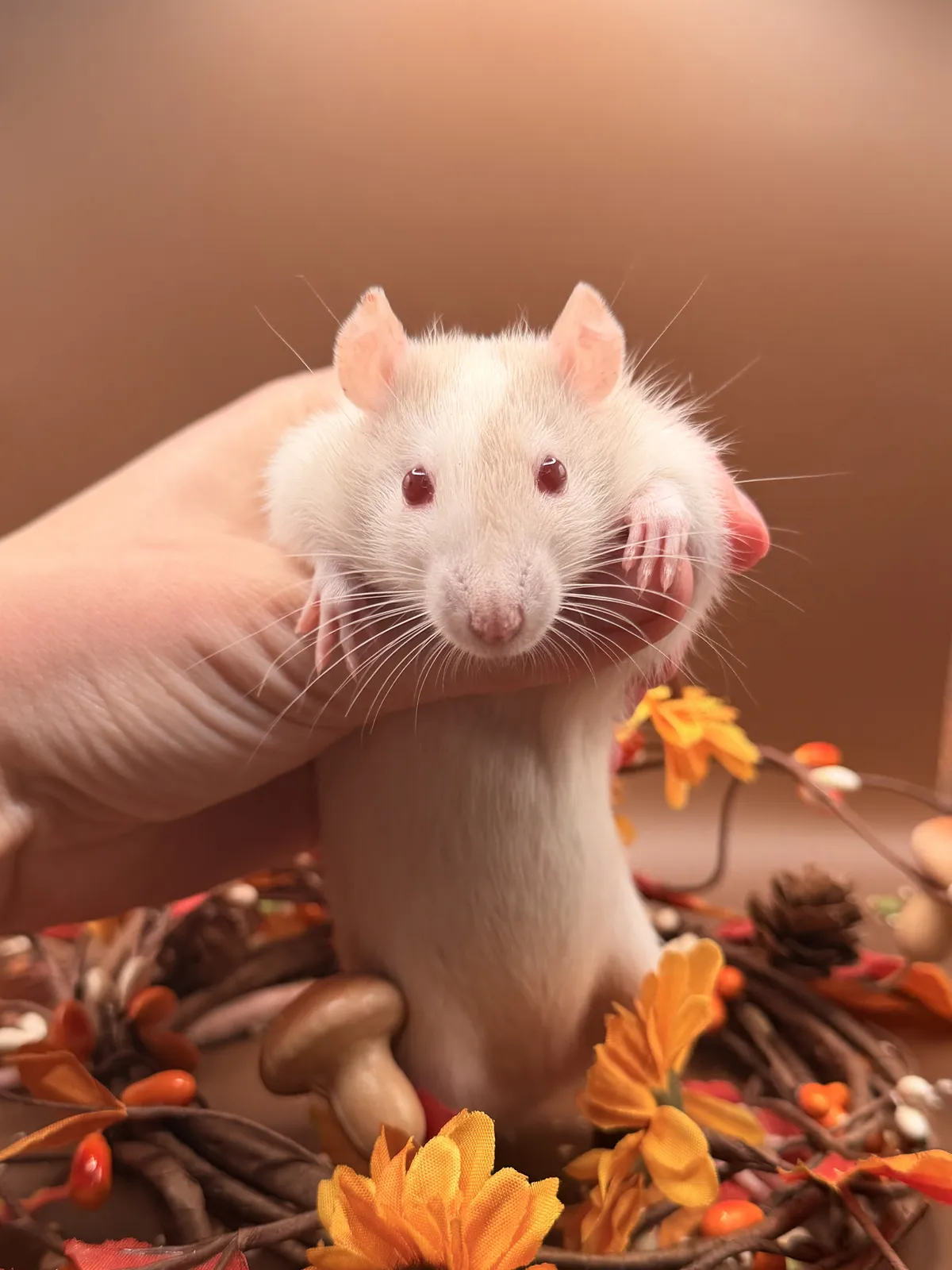
Health First, Always.
We are dedicated to producing healthy babies, to ensure the longevity of your newest additions.
Website last updated: 10/20/26
Frequently Asked Questions
Quality > Quantity
How much do your rats cost?
As of November 2026,
$140/pair
$70 each additional rat
My program may be a small, but that does not mean it costs less. Rats are EXPENSIVE! I love what I do and my goal is to keep things as affordable as possible. I may have retiree rats and other rats for adoption where fees are adjusted appropriately.
Can I come see the facility/meet the rats?
No.
Our Rattery is what we call a "closed rattery", meaning who enters the facility is limited to protect the rats health. If a disease/illness is contracted by one rat it can quickly spread through the colony, even with precautions in place. Trust me, I wish everyone could come see how we run things!
Can I adopt just one rat?
No.
Rats are social animals and it is my preference to only adopt in pairs or more. I highly advise having minimally 3.
This is my first time having rats, can I still adopt?
Yes.
I am more than happy to ensure your new babies are set up for success. There is a lot of misinformation out there about rats. I often have first-time adopters come to me with everything they bought for their new rats and multiple items are actually unsafe for rats.
When do babies go-home? Can I take them early?
Babies go-home at 8 weeks old. No, you can not take them before 8 weeks old.
They are still learning so many valuable skills at this age. I want to ensure their immune system is fully developed before undergoing stress, as moving to a new home is an overwhelming experience for a baby rat.
I can't keep my rats anymore, what do I do?
I completely understand and will always take back any of my rats if you can no longer care for them. I love each of my babies and always want them to have a warm, loving home. Per contract, contact me and I will either take them or help you find a home. I do not take in rescues.